

Fidget Toys for Migraine Sufferers: Low-Stimulation Picks
Migraine sufferers are an unusually loyal customer base, but only if the product on the shelf respects their sensitivity. The wrong stimulus — a flashing light, a loud click, an overpowering scent — can turn a well-intentioned fidget into the very thing that makes an episode worse. For wholesale buyers, that creates a clear opportunity: a low-stimulation range that other retailers overlook, stocked with quiet, gentle tools that a repeat audience actually trusts. This guide walks through which picks belong on that shelf and how to source them cleanly, with real wholesale numbers to plan your margin.
Quick answer: The fidget toys that win with migraine sufferers are the quiet, low-stimulation ones: soft slow-rise squishies, smooth squeeze cubes, and simple one-piece designs with no lights, no loud sounds, and no strong scents. When you buy wholesale, keep the line focused so you can explain it and restock it easily — a single supplier like King Squishy keeps the range coherent and the compliance paperwork complete.
What are the best low-stimulation fidget toys for migraine to stock?
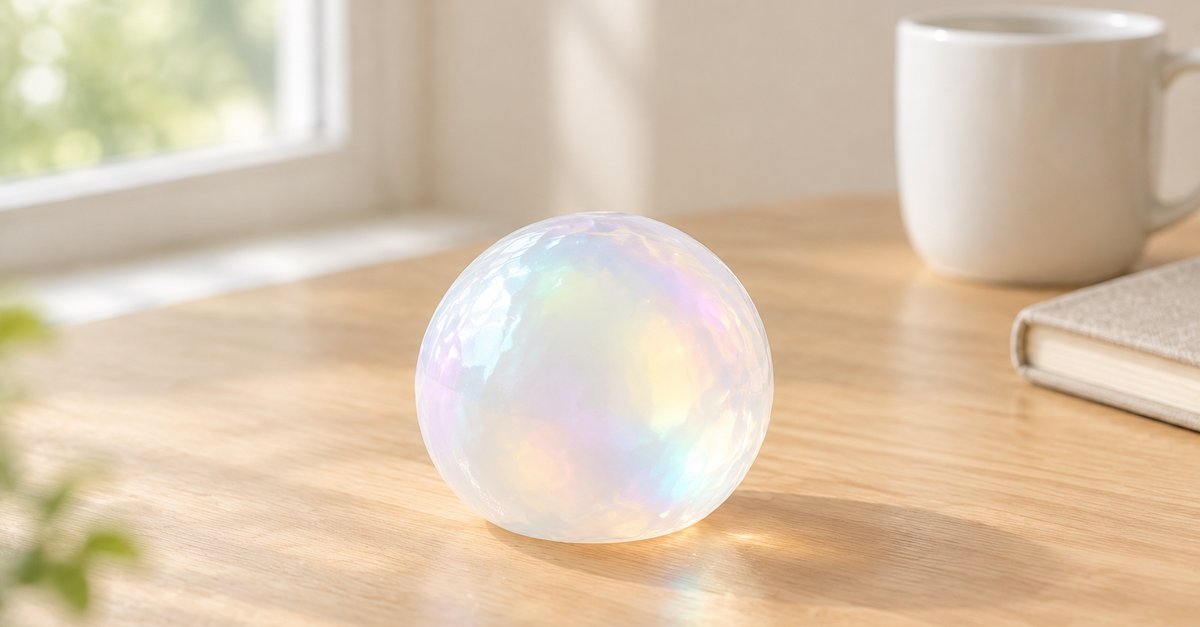
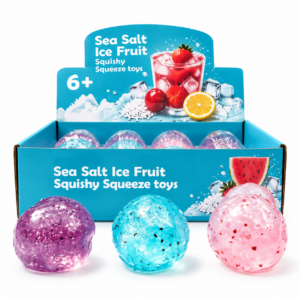
For a migraine-friendly buy, match size and texture to the way the tool will actually be used. Soft, slow-rise squishies give a gentle, calming squeeze, while firmer squeeze cubes offer a more defined press for someone who wants a little more resistance. Carrying both ends of that spectrum gives your buyers options without overwhelming a display. Our wholesale fidget and squishy toys buying guide and the squeeze cubes wholesale range cover both sides of that mix.
For reference, the concept of tactile fidget and sensory tools is documented in fidget and sensory tools.
Real wholesale numbers: what does a low-stimulation line cost?
If you are buying fidget toys for migraine wholesale, price and carton size decide your margin and your freight cost. Here is what a typical low-stimulation line looks like at King Squishy today:
| Pick | Price / piece | Pieces per carton | MOQ |
|---|---|---|---|
| Squeeze cube (Apple, Grape, Strawberry) | See product page | 192 pcs | From 192 pcs / style |
| Coconut stress ball | See product page | 144 pcs | From 144 pcs / style |
| Slow-rise animal or food squishy | Varies by style | Varies by style | From 1 carton / style |
Every carton ships as a single style, so you can forecast stock per SKU and keep reorders predictable. See the squeeze cubes wholesale range and the food-shape squishy collection to build the mix.
Why do fidget toys for migraine help during a sensitive episode?
During a migraine, the brain is already working hard to filter out stimulation, so a fidget that adds noise, light, or strong texture can backfire. What helps instead is a quiet, predictable tool that gives the hands a gentle job without demanding attention. Soft, slow-rise materials and smooth, low-friction surfaces let a person squeeze and release without introducing new sensory input — which is why these picks tend to be used and re-used rather than left in a drawer.
The science behind why tactile tools support focus and calm relates to sensory processing.
What material keeps a fidget genuinely low-stimulation?
The material decides both the feel and how much stimulation the tool adds. Polyurethane (PU) foam is the classic slow-rise squishy material: it compresses in the hand and rebounds over one to three seconds with almost no sound, giving a gentle, calming rhythm. TPR and TPE are firmer, more defined materials used for squeeze cubes and stress balls that snap back quickly; they are also near-silent and smooth to the touch. Silicone is smooth, easy to clean, and durable. Avoid anything with lights, buzzers, or strong scents for this audience. Because every King Squishy carton ships as a single style, you can test which texture your buyers prefer without committing to a mixed assortment, then scale the winner.
How do you choose the right fidget toys for migraine for your buyers?
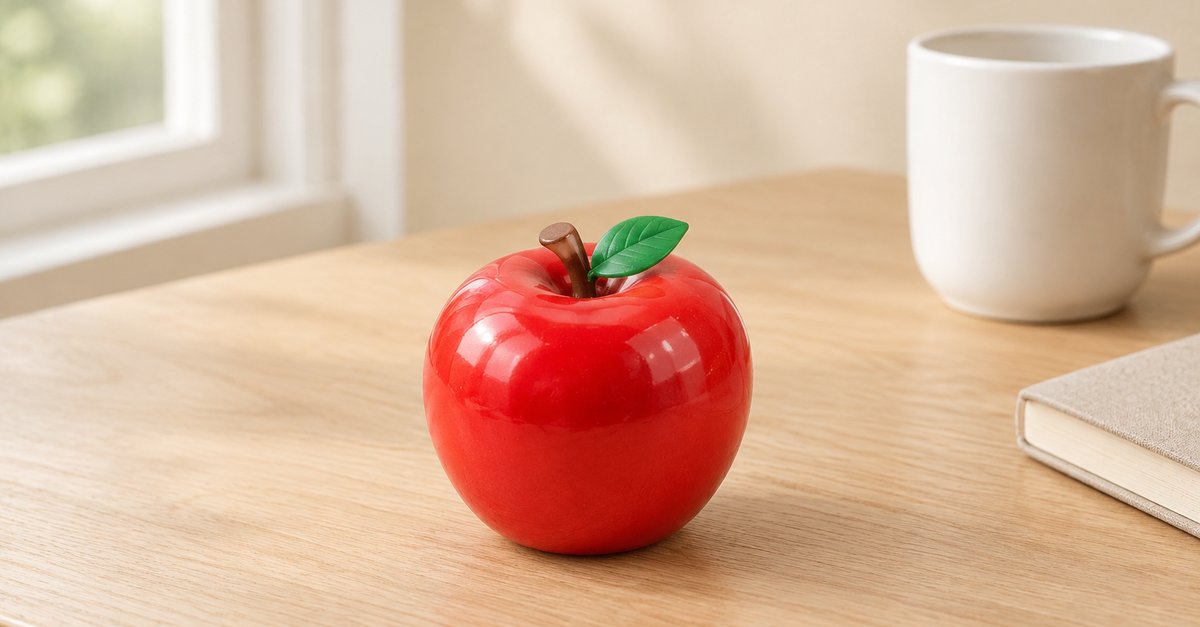
Think about who will hold it. Kids often need larger, one-piece, soft designs that are easy to grip and hard to lose, while adults frequently prefer smaller, firmer tools they can keep in a pocket or on a desk. Price point matters too — a small impulse buy and a premium gift need different positioning, so plan the mix before you commit to quantities. The food-shape squishy collection and the bears and animals selection give you two distinct directions to build that range from.
Which channels buy low-stimulation fidgets — and what do they order?
Neurology and headache clinics stock small, quiet fidgets as a practical companion for patients who live with migraines, and they prioritize low-stimulation tools they can recommend with confidence. Wellness and stress-relief retailers buy in smaller quantities but reorder often, favoring discreet designs that can be carried in a pocket. Office and remote-work buyers order desk fidgets in bulk for teams who want a quiet way to manage stress at work. Whichever channel you serve, keeping the line quiet, gentle, and easy to explain — with each carton a single style — is what turns a low-stimulation range into repeat orders. If you also buy for a therapy or counselling shelf, our guide to tactile coping tools covers the adjacent need. For the full background on choosing a supplier, see the wholesale fidget buyer’s guide.
Why source fidget toys for migraine from a focused wholesale supplier?
A supplier who specialises in low-stimulation fidgets keeps quality consistent, restocking simple, and your catalog coherent. When every SKU comes from one partner, you can explain the line to your customers with confidence and reorder without chasing multiple vendors. King Squishy offers FOB pricing, flexible MOQ, and OEM support — one partner for a sellable, compliant line.
FAQ
Are fidget toys for migraine suitable for wholesale ordering?
Yes. Low-stimulation fidgets are a proven wholesale category with flexible MOQs and OEM options. King Squishy ships this line with wholesale pricing, test documentation, and reorder support for retailers and distributors who want a dependable, repeatable product.
What is the MOQ and price for fidget toys for migraine?
MOQ and price depend on the specific SKU and the volume you order. As a starting point, squeeze cubes and coconut stress balls both sit under two dollars a piece at wholesale — squeeze cubes at 192 pieces per carton, coconut stress balls at 144. The exact current wholesale price for each style is on its product page. Contact King Squishy with your target quantity and market, and we will confirm a FOB quote and lead time for the exact styles you want to carry.
Which is better for a migraine sufferer — slow-rise squishy or firm squeeze cube?
It depends on preference. A slow-rise squishy gives a gentle, sustained pressure that many find calming and grounding. A firm squeeze cube gives a more defined press for someone who wants a little more resistance. Stocking both lets buyers choose what feels right, which is exactly what a low-stimulation line should offer.
Can I customise fidget toys for migraine with my own brand?
Yes. King Squishy offers full OEM support, including custom colors, shapes, and packaging, so you can put your brand on a proven, compliant product without starting from scratch.
How fast is production and shipping for fidget toys for migraine?
Production lead time varies by style and quantity, and shipping time depends on whether you choose sea or air freight. We will confirm both when you request a quote, so you can plan your stock around a realistic timeline.
Are fidget toys for migraine safe and compliant?
Yes. Our products are made from non-toxic, phthalate-free materials and come with the safety documentation required for your target market — CPSIA for the US and EN71 for the EU — so you can sell with confidence.
Related Guides
 Fidget Toys for Teenagers with Anxiety: What Actually Helps
 Sensory Toys for After-School Programs & Afterschool Care
 Fidget Toys for PTSD & Trauma Recovery: Grounding Tools
Shop Stress Balls Wholesale
Add these best-sellers to your next order.