

Fidget and Squishy Toy Materials: A B2B Buyer Guide
For how these materials play out across real product types, the Squishy Toys Explained guide and types guide compare buns, cubes, and jumbo pieces side by side.
Quick answer: Most squishies use polyurethane (PU) foam for slow-rise performance; TPR and silicone dominate squeezable fidgets; ABS plastic appears in clicky cubes. Material choice drives price, durability, scent and which compliance tests apply.
The material decides how a toy feels, how long it lasts, and which market it suits. This guide covers the materials most commonly used for fidget and squishy toys, and what buyers should check before ordering.
Common materials
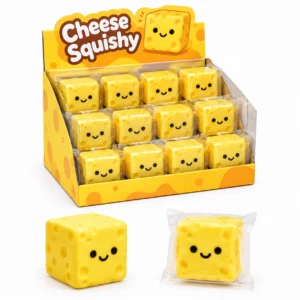
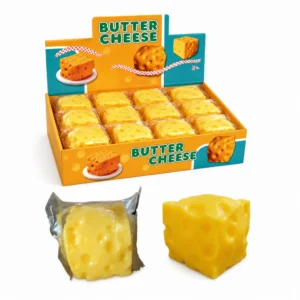
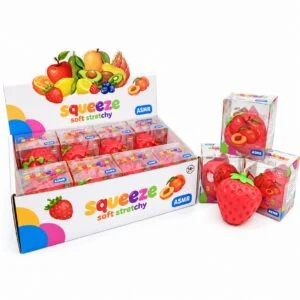
TPR (thermoplastic rubber) is soft, flexible, and widely used for fidget cubes and stress toys. PU foam is the classic squishy material and comes in slow-rise and fast-rise versions. Silicone is durable and easy to clean, popular for reusable sensory items. Soft PVC appears in figurines and charms where a firmer shape holds detail well.
Slow-rise vs fast-rise foam
Slow-rise squishies return to shape over several seconds and feel premium; fast-rise versions bounce back almost immediately. For squishy buns and animal shapes, slow-rise is the usual buyer favorite, while fast-rise suits stress-relief novelties.
Matching material to your market
Consider who will use the product. Softer, larger items suit broad gifting and shelf display; smaller fidget cubes suit impulse and party-favor channels. If you target a specific region, tell us early so we can flag the compliance documentation typically expected there and prepare files for your review.
Quality and safety checks we run
Before shipment we verify material consistency, check for surface defects, confirm the customization matches the approved sample, and count the order. These checks reduce the risk of a bulk shipment that does not match what you signed off.
Custom materials and packaging
Through OEM and ODM you can specify colors, hardness, and packaging artwork. If you have a material or compliance requirement for your channel, share it in your brief and we will confirm feasibility with the quote.
Looking for more buyer guides? Browse the full wholesale guide library for fidget & squishy toy importers.
Fidget Toy Materials FAQ
What materials are squishy toys made from?
Most squishy toys use PU foam, TPR (thermoplastic rubber), or silicone. PU foam gives the classic slow-rise feel; TPR is durable and washable; silicone is food-grade and easy to clean.
What is the difference between slow-rise and fast-rise foam?
Slow-rise (mochi) foam returns to shape slowly and feels satisfying to squeeze; fast-rise foam snaps back quickly. Slow-rise is the most popular for stress relief.
Are squishy toy materials safe?
Yes. Our materials are tested to EN71 (EU) and ASTM F963/CPSIA (US) standards. Every batch ships with the relevant test reports.
Can I choose custom materials?
Yes. Custom materials and packaging are available through our OEM/ODM service. Talk to our team about your requirements.
About the Author
The King Squishy Sourcing Team works daily with squishy and fidget toy production lines in China — handling material selection, factory audits, OEM/ODM customization and DDP shipping programs for importers and Amazon sellers. Questions about this guide? Request a landed-cost quote or browse the full catalog of 285+ toys.
Related Guides
 Five Below Squishy Toys: What Sells & How to Source
 Squishy Advent Calendar Wholesale: The 24-Day Dumpling Calendar
 Fidget Toys for Caregivers: You Need Stress Tools Too
Shop Squeeze Cubes Wholesale
Add these best-sellers to your next order.