

Squishy Toys Explained: Materials, Types, and B2B Sourcing Tips
Quick answer: Squishy toys are slow-rising PU foam toys that compress in the hand and rebound over 1–3 seconds. Quality is judged by four checks — and the full squishy toy types breakdown: rise speed, scent, seam integrity, and paint durability — these separate retail-grade stock from prize-machine fillers.
What a squishy actually is

A squishy is a soft, squeezable toy that slowly returns to shape after you press it — that gradual “rise” is the signature feel buyers remember. The body is typically a light, resilient foam, and the charm comes from cute, food-like, or character shapes. For B2B buyers, squishies are a high-impulse, highly giftable category with strong repeat demand.
Common types
Squishy buns — steamed-bun and bread-style shapes, often soft and plush-feeling; a versatile base for private label. See the squishy buns range.
Squeeze cubes — compact cubes, sometimes liquid-filled or printed, that work as pocket fidgets and blind-box fillers. Browse squeeze cubes.
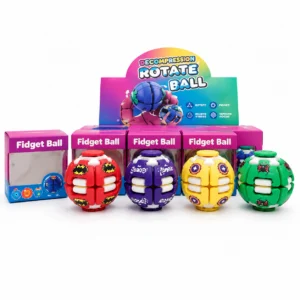
Fidget cubes and blocks — tactile, often with shimmer or moving parts, aimed at focus and sensory play. View fidget cubes.
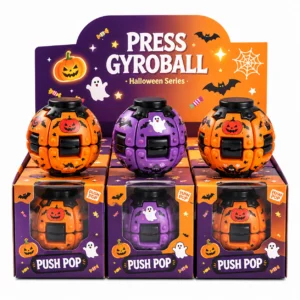
Novelty shapes — seasonal and character-driven forms such as snowflakes. Explore novelty fidget toys.
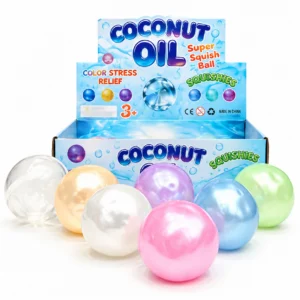
Stress balls — the simplest and cheapest entry point: a sealed foam or gel ball in plain, printed, or fruit shapes. They suit corporate giveaways, claw machines, and therapy settings because there is no paint to chip and nothing to break off. Browse stress balls wholesale.
Food and fruit shapes — peaches, strawberries, buns, and burgers dominate this group. Slow-rising PU versions are the classic squishy feel; silicone versions trade rise for durability and washability. This is the most photographed category, which is why it performs well on social commerce. See the food shapes collection.
Animal and character squishies — bears, cats, axolotls, and licensed-style characters. Kawaii faces drive impulse buys for kids and teens; sizing runs from 5 cm pocket charms up to jumbo 20 cm+ display pieces. Explore bears & animals.
Mochi squishies — small, dough-like, non-slow-rise toys with a matte finish. Sold in bulk as party favors, piñata fillers, and vending stock where unit cost matters more than rise. see the mochi-style bun range.
Types at a glance for buyers
| Type | Feel | Typical MOQ | Best channel |
|---|---|---|---|
| Slow-rise buns & food shapes | Soft, slow rebound 1–3s | 144–360 pcs | gift & souvenir retail |
| Stress balls | Firm squeeze, instant rebound | 144–288 pcs | corporate promo, therapy |
| Squeeze cubes | Clicky, repetitive fidget | 144–288 pcs | school & office retail |
| Mochi | Doughy, no rise | 288–500 pcs | vending, party favors |
| Jumbo character | Very soft, dramatic rise | One carton | claw machines, display |
MOQ figures are per design; each carton ships as a single style. Get per-item specifics in the wholesale MOQ guide.
What squishy toys cost wholesale
Ballpark FOB ranges per piece at one-carton MOQ: stress balls $0.83–1.35, squeeze cubes and blocks $0.84–1.94, slow-rise buns and food shapes $0.59–3.73, and jumbo pieces up to $5.22. Paint detail, scent, and packaging add before these move. Landed cost is typically FOB +25–40% depending on term and destination — compute yours in the toy landed cost calculator.
What squishy toys are made of
Four materials cover roughly the whole market, and each changes price, feel, and compliance work:
PU foam (polyurethane) — the classic slow-rise squishy. Lightest, cheapest to mold in detailed shapes, takes paint well. The standard choice for retail-grade squishies.
TPR / TPE — stretchy, gel-like thermoplastics used for stress balls and stretch toys. No paint, easy to clean, generally the most forgiving on compliance testing. TPR vs TPE differences.
Silicone — premium tier: food-grade options, dishwasher-safe, odorless, best durability per unit. Higher unit cost, lower defect rate in transit. When silicone is worth it.
Filled fabric — sewn plush skins with foam or gel inserts (bun-style and plush hybrids). The fabric layer hides seams entirely and adds a tactile “bread” feel.
Not sure which fits your channel? The full breakdown with unit-price ranges is in the squishy materials guide, and the safety testing implications (EN71, ASTM F963, CPSIA) are covered in our importer safety standards guide.
The four quality checks that matter
1. Rise speed. Compress fully and time the rebound. Retail-grade slow-rise returns in 1–3 seconds; anything snapping back instantly is a stress ball, anything staying flat is under-foamed.
2. Scent. A faint chemical smell that airs out in 24–48h is normal for PU; a persistent harsh odor means the factory skipped curing time — walk away or demand re-curing.
3. Seam integrity. Squeeze hard along the mold line. Cheap molds leave a ridge that splits after 200–300 squeezes. Quality pieces show a faint line that never opens.
4. Paint durability. Scrape lightly with a fingernail. Paint on well-made squishies bonds into the foam topcoat; on prize-machine stock it flakes into the creases after a few days in a pocket.
These four checks take under a minute per sample and separate sellers who get reorders from those who get refunds. Full inspection workflow: factory vetting checklist.
Are squishy toys safe? What buyers must document
Squishies are toys under EN71 (EU) and ASTM F963 / CPSIA (US), so retail channels legally require test reports regardless of how safe the product looks. Three things buyers should demand from any supplier:
1. Current test reports for the exact material and paint system — not “similar product” reports. Standards: EN71 & ASTM explained.
2. Age grading consistent with small-parts results; many squishies are 3+ or 6+ for a reason. age grading & safety standards guide.
3. Material disclosure — what “PU foam” actually means in that factory’s supply chain. Non-toxic material options: safe materials 2026.
Three mistakes first-time squishy buyers make
1. Buying on photo alone. The same peach mold can be produced in three foam densities; photos hide the difference, your hand won’t. Always order physical samples — why sample orders beat small paid trials.
2. Ignoring rise time in the spec sheet. Put “rise time 1–3 seconds” in writing when ordering PU squishies. Without it, “slow-rising” in the quote can legally mean anything.
3. Skipping compliance for “obviously safe” products. Squishies look harmless but still need EN71/CPSIA documentation for retail in the EU/US — see the standards guide. An importer without docs is the one Amazon suspends, not the factory.
Sourcing tips for buyers

First, request the material spec and any market-relevant safety documentation before you commit. Second, decide between stock items (fast, lower MOQ) and custom private label (your brand, slightly longer lead). Third, always compare quotes on the same shipping term — DDP quotes that include freight and duty are the easiest to plan around. Finally, order a physical sample before a large run; the hand feel is the whole product.
See the range
Start in the full wholesale catalog and request a quote for MOQ, customization, and DDP pricing on the items you want to carry.
This guide is the hub for the whole topic — each section above has a deep-dive: complete types guide (2026), material comparison, MOQ explained, landed cost calculator, and toy safety guide.
Looking for more buyer guides? Browse the full wholesale guide library for fidget & squishy toy importers.
Squishy Toys FAQ
What is a squishy toy?
A squishy toy is a soft, squeezable stress-relief toy made from PU foam, TPR, or silicone. It returns to its original shape after being squeezed.
What are the most popular types of squishy toys?
Slow-rise buns, stress balls, squeeze cubes, and food-shaped squishies are the best sellers. Novelty and character shapes are also popular.
Are squishy toys safe for children?
Quality squishies are. Ours are tested to EN71 (EU) and ASTM F963/CPSIA (US) standards, and every batch ships with the relevant test reports. Buying tips for parents and retailers: prefer silicone or fabric-filled for under-3s (no small painted parts), and verify test reports before importing — the full checklist is in our non-toxic squishy materials guide.
What is the MOQ for wholesale squishy toys?
MOQ is one carton per design — one carton per design, with the exact piece count for each item shown in its spec table. Each carton ships as a single style. Volume discounts apply at 500 / 2,000 / 5,000 pieces (8–18% per step); full breakdown in the wholesale MOQ guide.
How many types of squishy toys are there?
Commercially, buyers group them into six families: slow-rise buns and food shapes, stress balls, squeeze cubes, mochi, animal/character squishies, and plush hybrids. Within those, shape variations run into the hundreds — the material and rebound behavior are what actually differ.
Which squishy type sells best?
Slow-rise food and bun shapes lead impulse retail; stress balls lead corporate and therapy orders; mochi leads vending and party-favor volume. Match the type to your channel rather than chasing a single “best” — the MOQ guide shows how minimums differ by type.
What material is best for squishy toys?
PU foam for classic slow-rise retail, TPR for durability and easy compliance, silicone for premium or toddler lines. There is no single best — see the material comparison table above.
About the Author
The King Squishy Sourcing Team works daily with squishy and fidget toy production lines in China — handling material selection, factory audits, OEM/ODM customization and DDP shipping programs for importers and Amazon sellers. Questions about this guide? Request a landed-cost quote or browse the full catalog of 285+ toys.
Related Guides
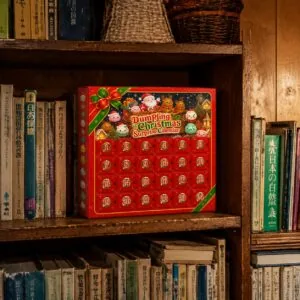 Squishy Advent Calendar Wholesale: The 24-Day Dumpling Calendar
 Fidget Toys for Caregivers: You Need Stress Tools Too
 Fidget Toys for Arthritis Hands: Softness, Grip & Size Guide
Shop Stress Balls Wholesale
Add these best-sellers to your next order.