

Glow-in-the-Dark Stress Balls: Phosphors & Sourcing Guide
Glow-in-the-dark stress balls are not simply a stress ball with glitter in it. The effect comes from a phosphorescent pigment dispersed through the skin, and whether that pigment is a cheap one or a good one decides how the product looks on a shelf after a month. This guide covers what the glow actually is, the two numbers to ask a supplier for, the safety questions that apply only to glow pigments, and the channels where the format earns its space.
What “glow-in-the-dark” actually means on a stress ball
Two different products get sold under one label. Fluorescent skins only look bright under UV or black light — in a normal room they are just neon colours. Phosphorescent skins absorb ordinary light and keep releasing it after the lights go out. Wholesale glow stress balls are almost always the phosphorescent type, which is why the effect you see in a supplier photo is usually a dark room, not a daylight shot.
The pigment itself is the cost driver. Zinc sulfide is the older, cheaper system: a greenish afterglow with a modest tail. Strontium aluminate costs more, charges faster under ordinary shop lighting and holds a longer blue-green afterglow. Ask which system a supplier is quoting — it changes the piece price and, just as importantly, the claim you can print on the packaging.

Two numbers buyers forget to ask for: charge time and afterglow
“It glows” is not a specification. Two questions turn it into one:
- Charge time — how long under normal indoor light before the surface is visibly bright. A minute under a phone torch is a demo; ten minutes under shop lighting is a test.
- Afterglow — how many minutes you can still see it once the room is dark, measured by eye rather than by a marketing number.
The practical test is cheap: charge a sample under shop lighting for ten minutes, walk into a dark room and note how it decays. Then re-test a unit that has sat on a shelf for a month, because lower-grade skins can cloud and hold noticeably less charge. If glow is the reason people buy, that second test is the one that protects your reviews.
Safety questions that are specific to glow pigments
The compliance issue is not the glow itself. Phosphorescent pigments sit inside the skin as encapsulated solids, so the normal toy questions apply: heavy-metal migration from the surface (EN 71-3 in the EU), mechanical and phthalate requirements (CPSIA and ASTM F963 in the US), and age grading for the market you sell into.
Ask for the test report that names the specific design, and where the supplier can provide it, the pigment batch. Nothing in a glow article should be taken on trust from a product photo — documentation is arranged per design and sent with your quote when you ask for it.
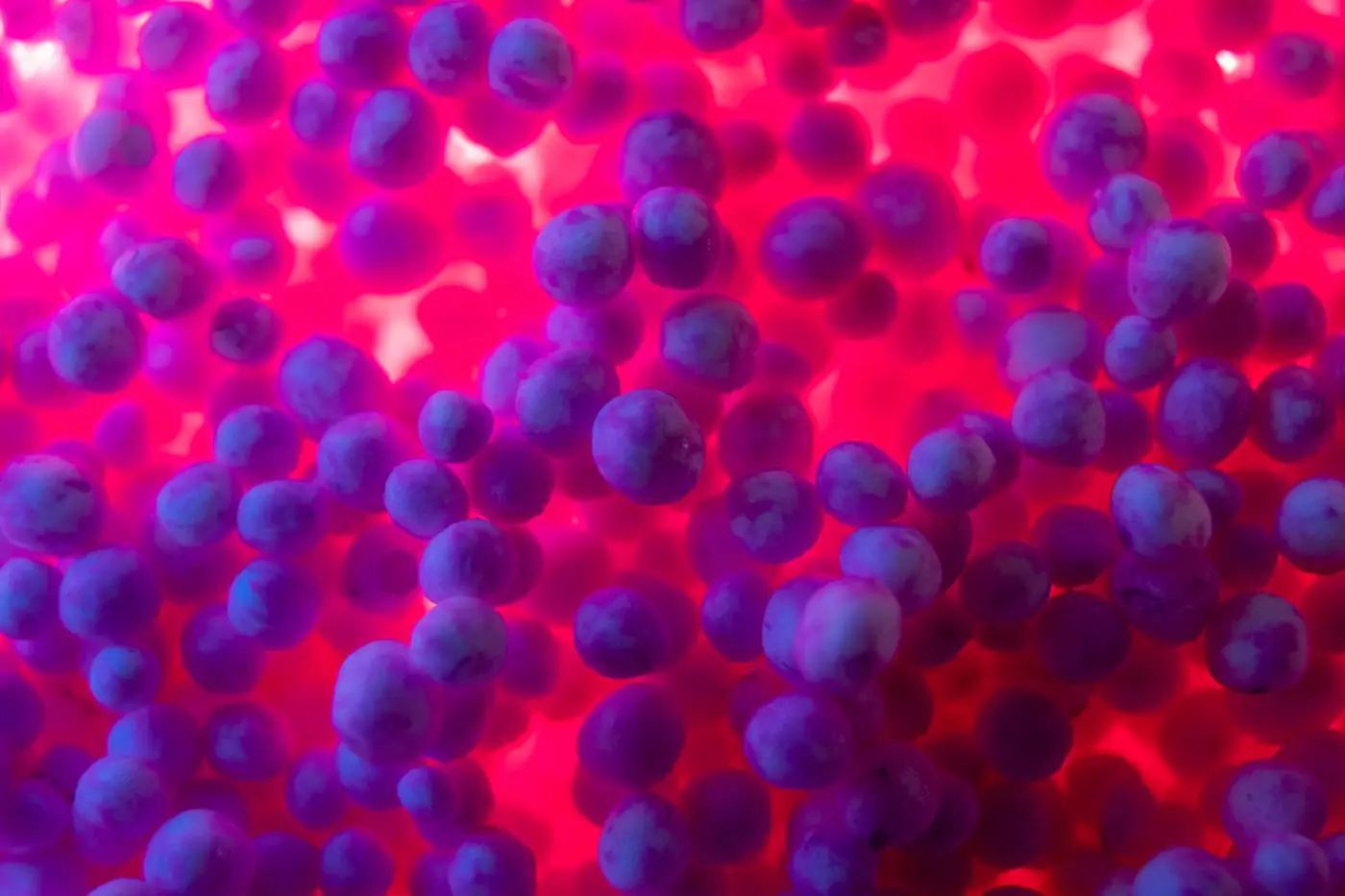
Where glow versions earn their shelf space
Glow is a low-light product, and that narrows its natural channels rather than widening them: cinema and arcade prize counters, night markets and festival stalls, party favour packs, clinic and dental waiting rooms, sleepover gift bags. In a daylight retail fixture it works best as a secondary SKU beside a matte bestseller — the shoppers who want the effect will pay for it, and the ones who do not will take the plain version, so stocking both protects the sale.
For a first order, the stress ball range carries the classic shapes, while novelty fidget covers the impulse-buy formats that sit next to a till. If you are deciding between PU, TPR and gel skins, the materials guide explains how each behaves under repeated squeezing.
A sourcing checklist for a first glow order
- One style per carton. MOQ is one carton per design, and the piece count per carton is printed on each product page.
- Sample first — and mix designs. Sample cartons can carry several designs; bulk cartons ship as a single style.
- Get the pigment in writing. Zinc sulfide or strontium aluminate, plus the workshop’s own charge and afterglow observations.
- Lock the shipping term. FOB and DDP give very different landed cost on a light, bulky carton — ask for both before comparing suppliers.
- Plan the season. Glow demand clusters around Halloween, festival season and Q4 gift sets; confirm production lead time against your promo date, not against the day you place the order.
FAQ
Do glow stress balls need to be charged before use?
Yes. A few minutes under ordinary light is enough to see the effect, and longer or brighter exposure gives a stronger afterglow. That behaviour is normal for phosphorescent pigments, not a defect.
Will the glow fade over time?
Pigment performance is stable, but skin quality and storage matter — samples kept in direct sun and heat age faster. Test one unit from each batch when glow is the selling point.
Are they suitable for children?
That depends on the age grading and the report for the specific design. Confirm the target age band, small-part rules and test documentation for your market before listing.
Can we customise them with our own brand?
Yes — OEM and ODM cover colour, logo and packaging. MOQ is confirmed per design when you request a quote.
Stocking glow for a season?
Send the designs you are considering and we will come back with itemized FOB + DDP pricing, carton counts and lead times.
Related Guides
 Rubber vs Gel vs Foam Fidget Toys: A Material Buyer Map
 Color-Changing Squishy & Fidget Toys: Trends & Sourcing
 Fidget Toys for Public Speaking & Stage: Discreet Calm
Shop Vaseline Wholesale
Add these best-sellers to your next order.