


Sea Freight vs Air Freight for Toy Imports: Cost & Time
Every toy importer hits the same fork at least once a year: production finished on time, and now the clock is ticking toward a season, a launch date or an empty shelf. Sea freight or air freight? The honest answer is that neither mode wins universally — they win at different jobs. This comparison breaks down the real 2026 costs per kilo, transit times, and the break-even logic that tells you which mode each shipment deserves.
Freight is only one line item — our landed cost calculation guide shows how it stacks up against duties, fees and last-mile costs.
Quick answer: For toys from China in 2026, sea freight typically runs $0.10–$0.30 per kg (ocean leg) versus $4–$8 per kg for air — roughly a 20–40× cost gap. Sea takes 22–35 days door-to-door to major Western markets; air compresses that to 5–9 days. Default to sea for planned inventory; buy air only when speed protects more margin than the premium burns.
The Cost Gap in Real Numbers
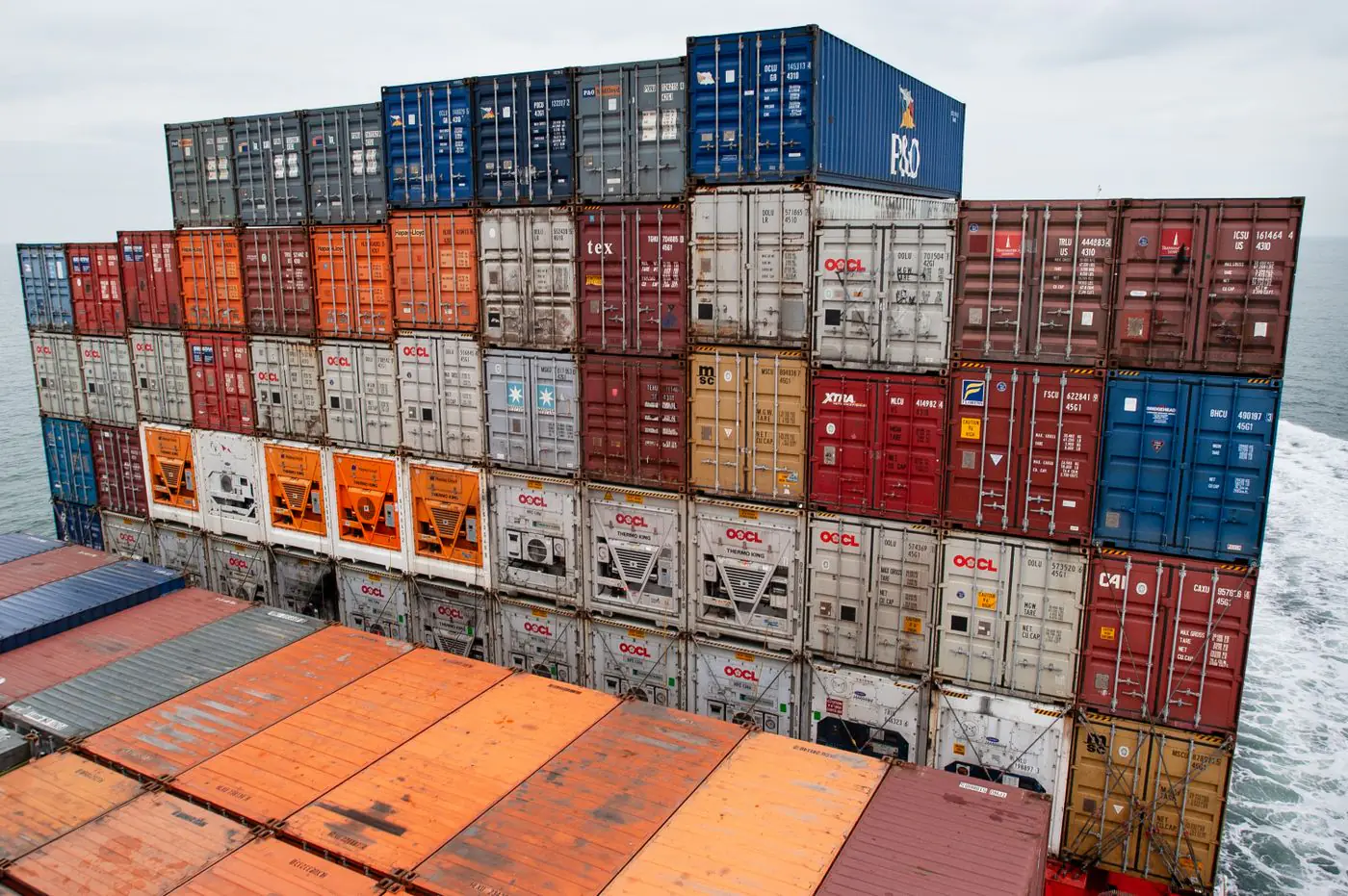
Current market ranges put the modes in completely different universes. Air freight from China to North America averaged around [$5.47 per kg in mid-2026](https://eightx.co/blog/average-cpg-air-vs-sea-freight-cost-by-vertical-2026) according to the Freightos Air Index, with general 2026 market ranges of [$4–$8 per kg by lane and season](https://metricrig.com/answers/air-freight-vs-ocean-freight-cost-calculator/). Ocean freight’s pure transport cost runs [roughly $0.10–$0.30 per kg](https://metricrig.com/answers/air-freight-vs-ocean-freight-cost-calculator/) when container space is amortized across dense cargo — which squishies are.
| Factor | Sea freight | Air freight |
|---|---|---|
| Transport cost per kg | $0.10–$0.30 | $4–$8 |
| Door-to-door, China→US | 22–30 days | 5–9 days |
| Door-to-door, China→EU | 25–35 days | 5–9 days |
| Pricing basis | Container/CBM | Chargeable weight |
| Carbon intensity | Lowest per tonne-km of the two | Many times higher |
| Best for | Planned inventory, heavy/dense goods | Emergency replenishment, samples, launches |
Industry rule-of-thumb checks agree on the magnitude: logistics guides put [sea freight at 5–15× cheaper per kilo than air for most shipments](https://www.freightamigo.com/en/blog/logistics/air-freight-vs-sea-freight-costs-carbon-footprint-and-key-comparisons-in-2026/) once all-in costs are counted. Squishy toys sit at the favorable extreme of that range because PU foam packs dense — hundreds of units fill a carton that weighs surprisingly little.
The Trap Most First-Timers Miss: Chargeable Weight
Standalone takeaway: Air freight bills by chargeable weight — the greater of actual weight or volumetric weight (length × width × height ÷ 6000 in cm). Bulky-light cargo pays for its volume, not its scale reading. A carton of plush can cost more to fly than a heavier carton of squishies.
This single mechanic explains most air-freight bill shock. A cubic-meter box of lightweight product has a volumetric weight around 167 kg regardless of what the scale says. Toys that pack dense (squishies, stress balls) fly far cheaper per unit than airy products (plush, inflated packaging). Before choosing air, calculate your cartons’ chargeable weight — sometimes the quote you think is expensive is actually the cheap one.
Break-Even Logic: When Air Actually Pays
The premium isn’t a moral failing — it’s a tool with specific use cases where it returns money:
- Trend capture. A shape going viral this month may be dead next quarter. Paying ~$5/kg to arrive five weeks early can beat losing the entire selling window.
- Stockout rescue. If your bestseller runs dry during peak season, lost daily margin often exceeds the air premium within days. Run the math: (units sold out per day × margin per unit) versus total air premium.
- Samples and launch kits. Flying a one-carton test wave instead of waiting six weeks converts ideas into sell-through data a month sooner — our sampling flow ships in 3–7 days by courier worldwide.
- Seasonal top-ups. The classic play: bulk by sea in summer for Q4 baseline, reserve a small air budget for November replenishment of whatever sells hottest.
How We Quote It: One Desk, Both Modes
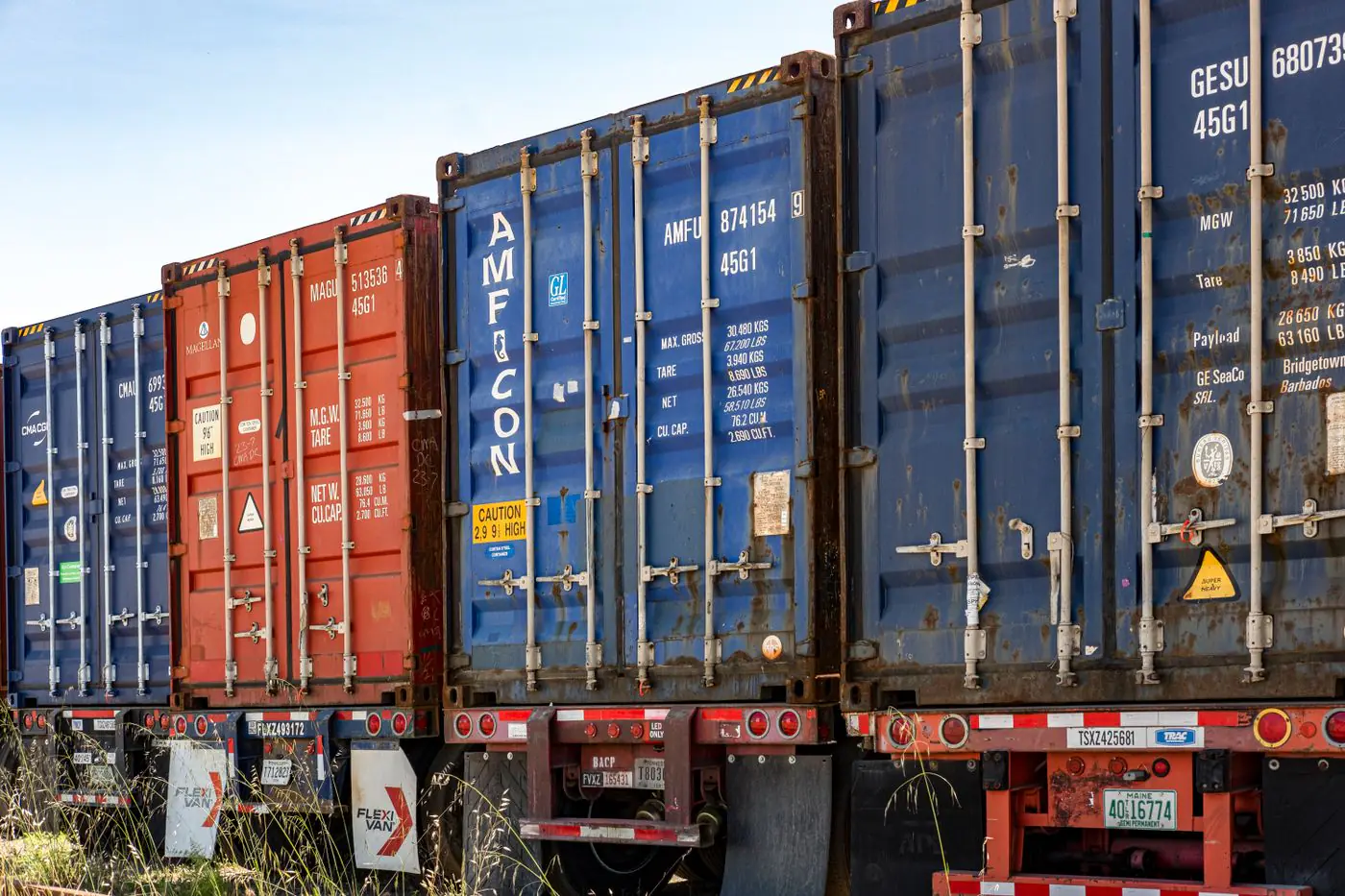
Our standard program prices DDP sea freight at 22–30 days to the US and 25–35 days to the EU, duties prepaid, with air available at 5–9 days when timing matters more than cost. Because both modes run through the same desk, switching mid-season doesn’t mean finding a new forwarder, renegotiating terms, or re-explaining compliance paperwork — the carton simply moves faster. See how the terms work in our DDP shipping explainer.
Planning note for annual calendars: Q4 inventory ordered on sea needs purchase orders signed by late summer (production 15–25 days plus transit). Our full five-step import guide maps the whole timeline end to end.
Verdict: Which Mode for Which Buyer
| Your situation | Our call |
|---|---|
| First test order (one or two cartons) | Air/courier — speed of learning beats cost at tiny volumes |
| Proven seller, planned restock | Sea, always — book against a reorder-point trigger |
| Q4 holiday build-up | Sea by late summer + small air reserve for winners |
| Viral trend window | Air for the first wave, sea for the follow-up |
| Stockout emergency | Air — then fix the reorder trigger that let it happen |
Frequently Asked Questions
Is sea freight always cheaper than air?
Per kilogram, essentially yes — ocean transport runs $0.10–$0.30/kg versus $4–$8/kg for air in 2026. At very small volumes (under ~50 kg), courier consolidations narrow the gap enough that air often makes sense anyway.
How much faster is air freight from China?
Door-to-door, air runs 5–9 days versus 22–30 days to the US and 25–35 days to the EU by sea — roughly three to five weeks saved, before accounting for port congestion variability.
Why did my air quote charge for more weight than my scale shows?
Air bills chargeable weight: the greater of actual weight and volumetric weight (L×W×H in cm ÷ 6000). Light, bulky cartons pay for volume. Dense products like PU foam squishies minimize this penalty.
What does DDP include for sea freight?
Ocean freight, customs clearance, duties and taxes at destination, and delivery to your door — one prepaid price with nothing owed at arrival.
When should I switch from sea to air?
When the value of arriving earlier exceeds the premium: trend windows, stockout rescues, and seasonal top-ups are the three cases that reliably justify it. Planned baseline inventory should stay on water.
On the floor of Yiwu International Trade City since day one. Every guide is written from live wholesale experience — no AI fluff, no secondhand theory.
Related Guides
 Seasonal Toy Buying Calendar: When to Order for Holidays
 Toy Import Duty Rates by Country: US, EU, UK & Australia
 Amazon FBA Toy Sourcing Guide: From China Factory to Prime Shelf
Shop Stress Balls Wholesale
Add these best-sellers to your next order.