

The Softest Squishy Toys: Ranking Materials by Squeeze Feel
Softness is the first thing a shopper notices when they pick up a squishy toy, and it is the reason most of them buy. The material underneath the surface decides that feel more than anything else — a slow-rebound foam, a plush fill, or a firmer TPR blend each sit differently in the hand. For a wholesale buyer, understanding how these materials compare is the difference between a line that sells on touch and one that gets put back on the shelf.
Quick answer: The softest feel in a squishy toy usually comes from slow-rebound PU foam and plush-filled designs, which compress gently and rise back slowly. Firmer TPR and TPE blends still feel soft but offer more structure and durability. For a wholesale line, match the material to the use case — a slow-rise mochi-style piece for stress relief, a firmer cube for desk fidgeting — and keep the range focused so you can explain it, restock it, and keep quality consistent.
Which squishy materials feel the softest in the hand?
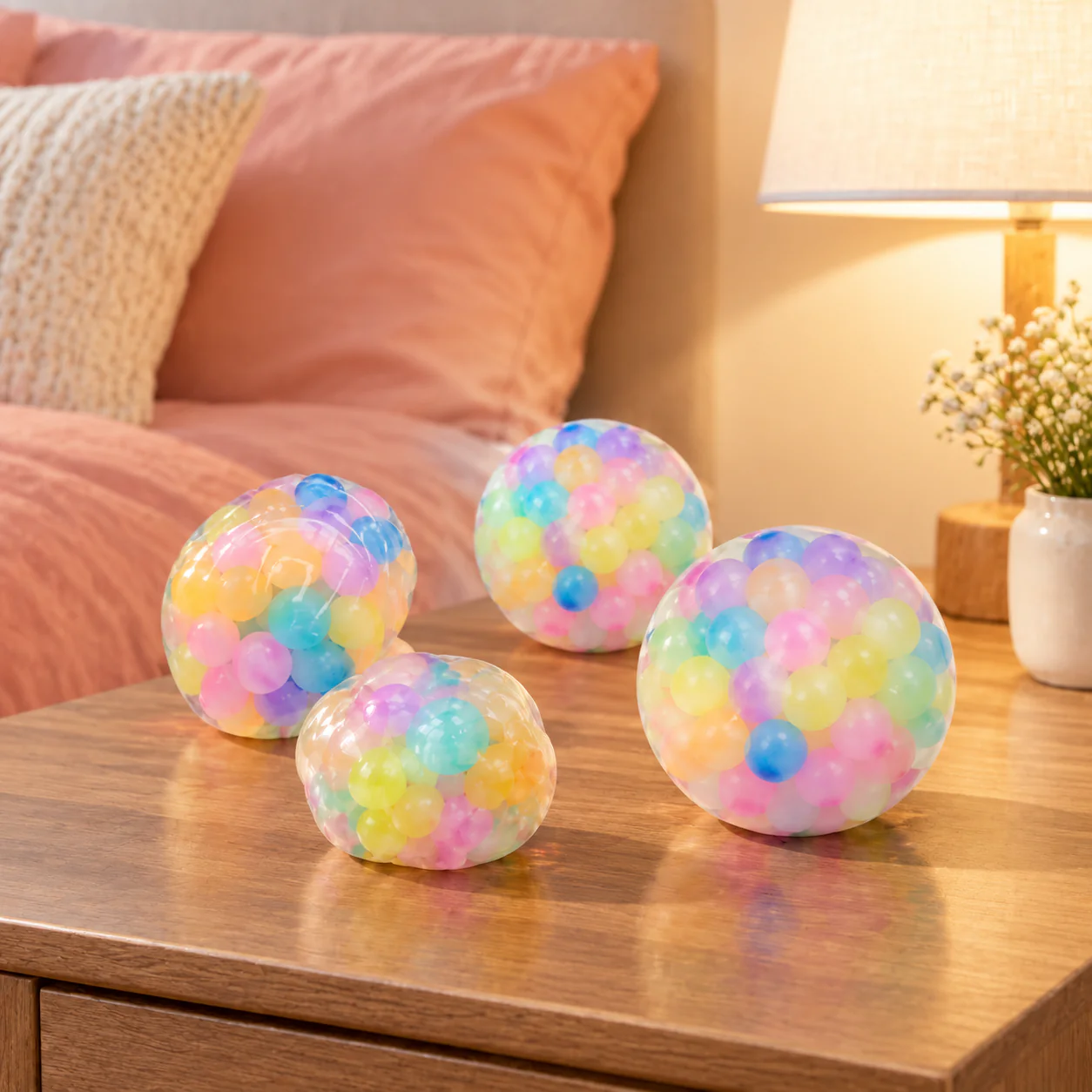
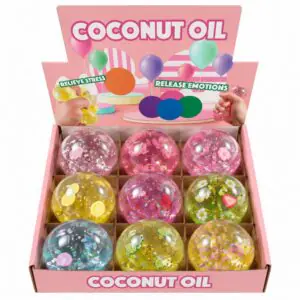
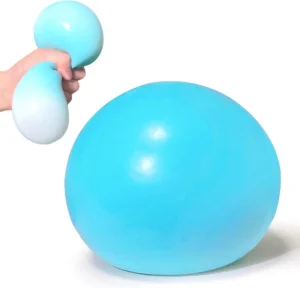
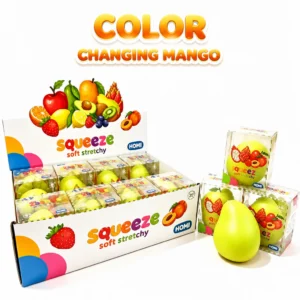
Softness is not one single quality — it is a combination of how easily a material compresses, how far it gives, and how slowly it returns to shape. Slow-rebound PU foam, the kind used in mochi-style squishies, is the softest in practice: it yields almost immediately under light pressure and takes a moment to spring back, which is exactly the sensation buyers describe as satisfying. Plush-filled designs are similarly gentle, with a soft, cushiony give that suits younger hands. TPR and TPE blends sit at the firmer end of the spectrum — still soft, but with more structure and better durability for repeated squeezing. None of these is objectively better; each serves a different customer. If you want to see how the two ends of that range compare in practice, our guide to squeeze cubes and fidget blocks and our wholesale guide to fidget and squishy toys cover both the soft, slow-rise pieces and the firmer, more structured ones.
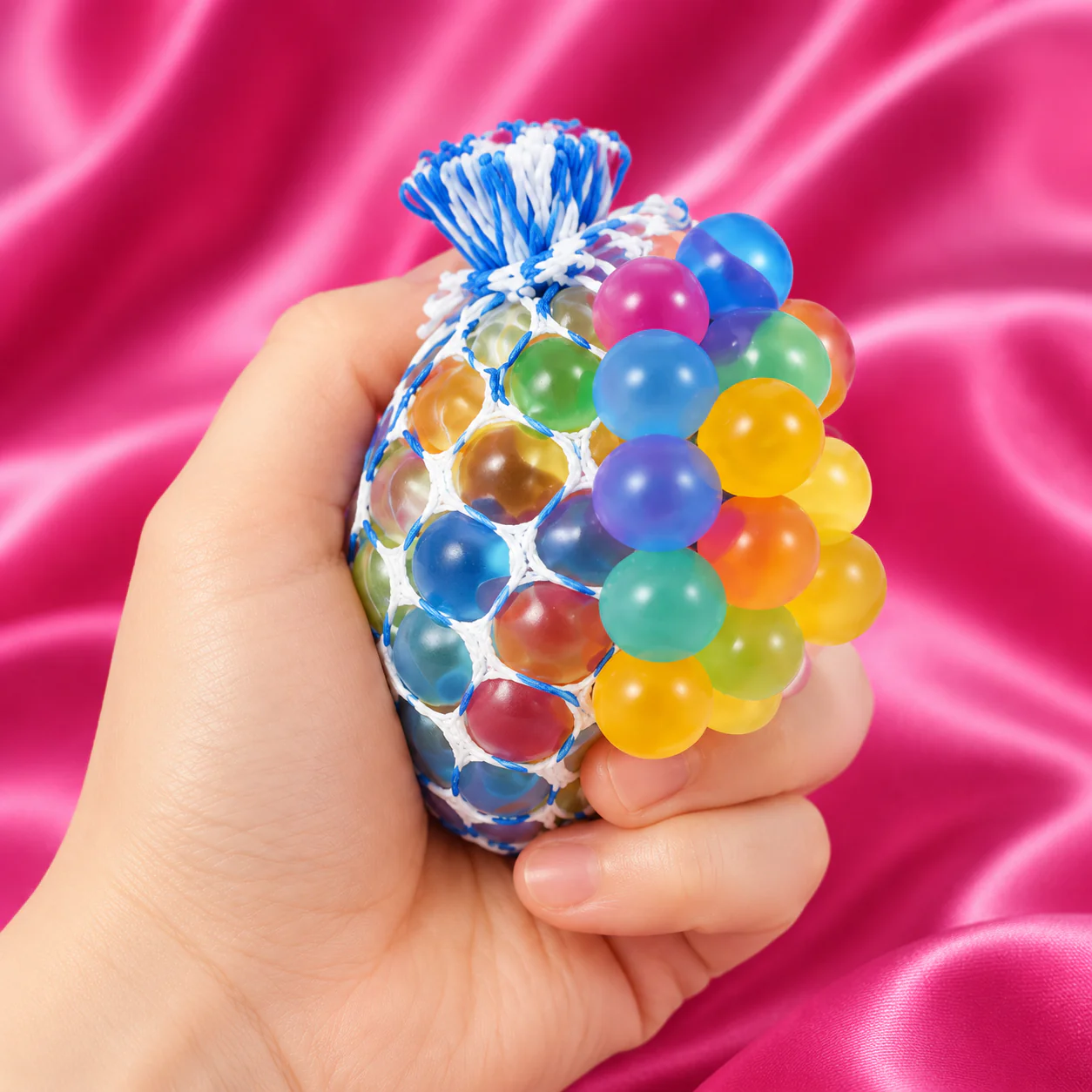
Why does material softness matter for your buyers?
Softness is what makes a squishy toy useful rather than decorative. A piece that compresses easily and recovers slowly gives the hands a gentle, repetitive job during a moment of stress or distraction, which is why these toys have become a staple for focus and calm. The right texture and firmness make the difference between a product that gets used daily and one that gets forgotten in a drawer. For a wholesale buyer, that means the material choice is not a cosmetic detail — it is the feature your customers will actually feel and talk about.
The science behind why tactile tools support focus and calm relates to sensory processing.
How do you choose the right softness for your wholesale line?
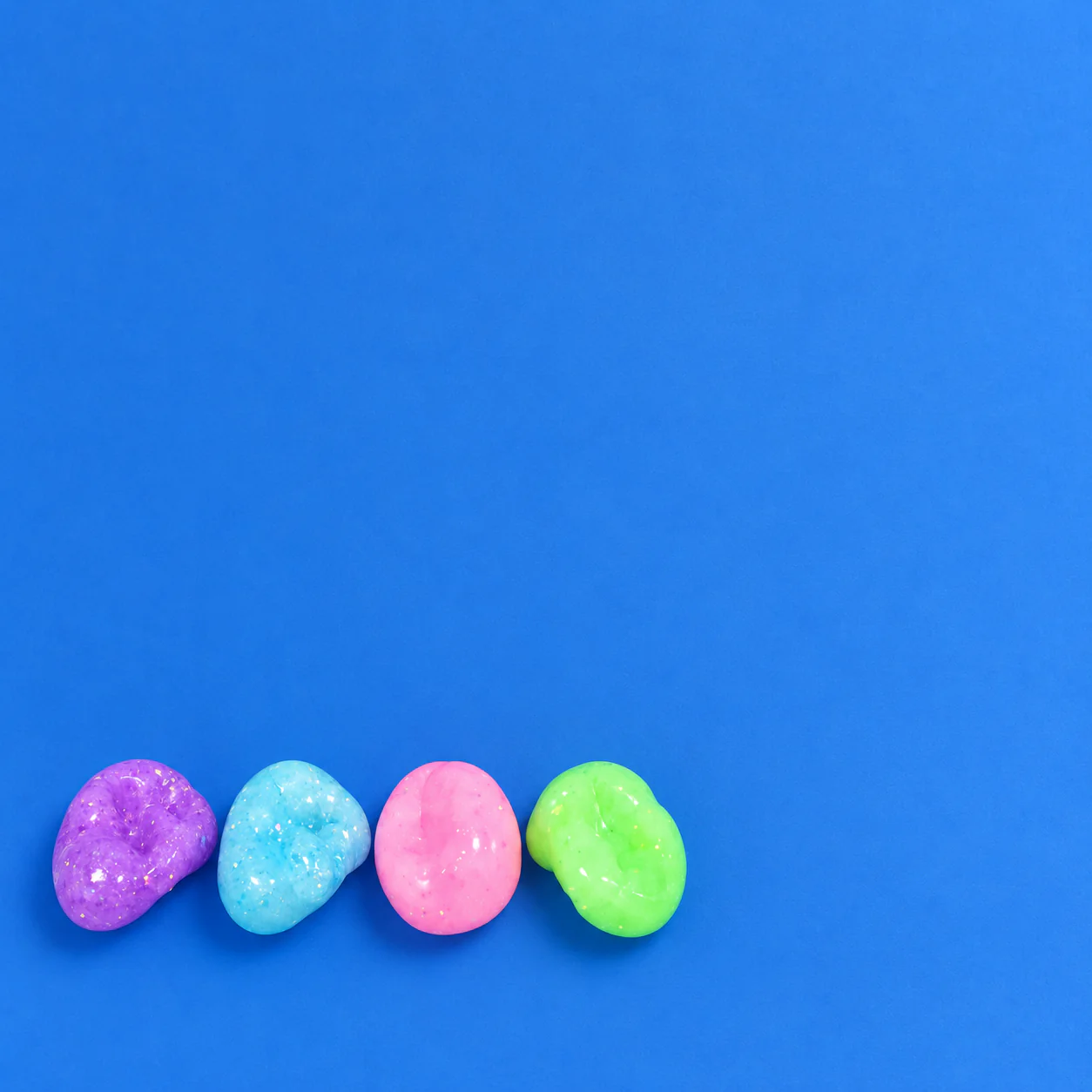
Start with who will hold the toy. Children tend to do well with larger, one-piece, soft designs that are easy to grip and gentle to squeeze, while adults often prefer smaller, firmer tools that fit a desk drawer or a pocket. Price point matters just as much as feel — a small impulse buy and a premium gift need different materials and different positioning. A balanced wholesale line usually pairs a few soft, slow-rise pieces with a few firmer, more structured ones, so buyers can choose by mood and use. The squeeze cubes category and the food-shape squishy collection are good places to see how that mix works in practice.
Why source softest squishy from a focused wholesale supplier?
A supplier who works with these materials every day keeps quality consistent, makes restocking simple, and keeps your catalog coherent. When every piece in a line comes from one partner, you know the softness, the colors, and the compliance paperwork will match order after order. King Squishy offers FOB pricing, one carton per style as the minimum order, and OEM support, so you can build a sellable, compliant line without juggling multiple vendors. For how fillings change the squeeze, see our filling comparison; for the two main stress-ball constructions, read gel versus foam; and for the wider catalogue, Squishy Toys Explained covers sourcing in depth.
FAQ
Are softest squishy suitable for wholesale ordering?
Yes. Soft, slow-rise squishies are a proven wholesale category with steady demand across retail, gift, and therapy channels. King Squishy ships this line with wholesale pricing, test documentation, and reorder support, so retailers and distributors can stock it with confidence.
What is the MOQ and price for softest squishy?
MOQ and price depend on the specific SKU and the volume you order. Contact King Squishy with your target quantity and market, and we will confirm a FOB quote and lead time for the softness and style you need.
Can I customise softest squishy with my own brand?
Yes. King Squishy offers full OEM support, including custom colors, shapes, and packaging, so you can put your brand on a proven, compliant product without changing the softness that makes it sell.
How fast is production and shipping for softest squishy?
Production lead time varies by style and quantity, and shipping time depends on whether you choose sea or air freight. We will confirm both when you request a quote, so you can plan your stock around a clear timeline.
Are softest squishy safe and compliant?
Yes. Our products are made from non-toxic, phthalate-free materials, and test documentation for your target market — CPSIA for the US and EN71 for the EU — is arranged per design and sent with your quote when you ask for it.
Softest lines to stock first
If squeeze feel is the whole selling point, start where the softness is structural rather than surface-level: squeeze dough and vaseline squishy keep their give longest, and two easy reference styles are the round ball squeeze dough and the vaseline cheese cube. MOQ starts at one carton per design, and each carton ships as a single style.
Related Guides
 Rubber vs Gel vs Foam Fidget Toys: A Material Buyer Map
 Glow-in-the-Dark Stress Balls: Phosphors & Sourcing Guide
 Color-Changing Squishy & Fidget Toys: Trends & Sourcing
Shop Sensory Balls Wholesale
Add these best-sellers to your next order.