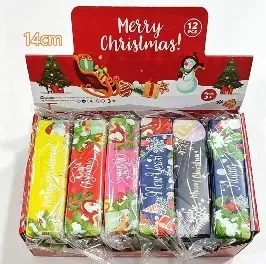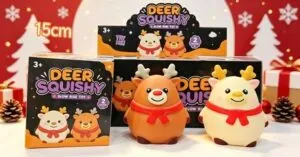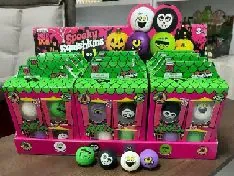


Seasonal Holiday Toy Wholesale: Halloween & Christmas
For wholesale buyers in the squishy, fidget, and sensory toy space, the holiday season is far more than a bump on the sales chart — it is the single biggest inventory-velocity engine of the year. Gift-giving spikes, classroom and party-favor buying, and a surge of seasonal impulse purchases all concentrate into a short window, and retailers who carry the right holiday-themed assortment see those SKUs fly off shelves while everyday stock sits. If you are a distributor, gift-shop owner, or dollar-store buyer deciding how to build your seasonal load, this guide walks through which holidays move which toy themes, exactly when to place your wholesale orders, and how to price, stock, and clear holiday fidget and squishy toys without getting burned on carryover. For the wider picture of what is selling all year round, pair this with our 2026 wholesale fidget toy trends, and for how to get the new seasonal stock displayed to maximum effect once it is in your store, see the fidget & squishy retail display guide.
Quick answer: Seasonal holiday toys are one of the highest-margin, highest-turn lines in the wholesale fidget market. Buyers typically win by ordering 8–10 weeks ahead of each holiday (to cover manufacturing lead time and freight), front-loading the biggest retail events — Halloween, Christmas, Valentine’s Day, Easter, and Thanksgiving — and limiting holiday SKUs to products that genuinely match each theme (pumpkins and ghosts for Halloween, trees and snowmen for Christmas, hearts for Valentine’s, eggs and bunnies for Easter). Order seasonal assortments 15–30% tighter than your everyday buy, hold the most flexible themed staples that can still sell after the event, and negotiate deep-clearance terms with your supplier before the season ends.
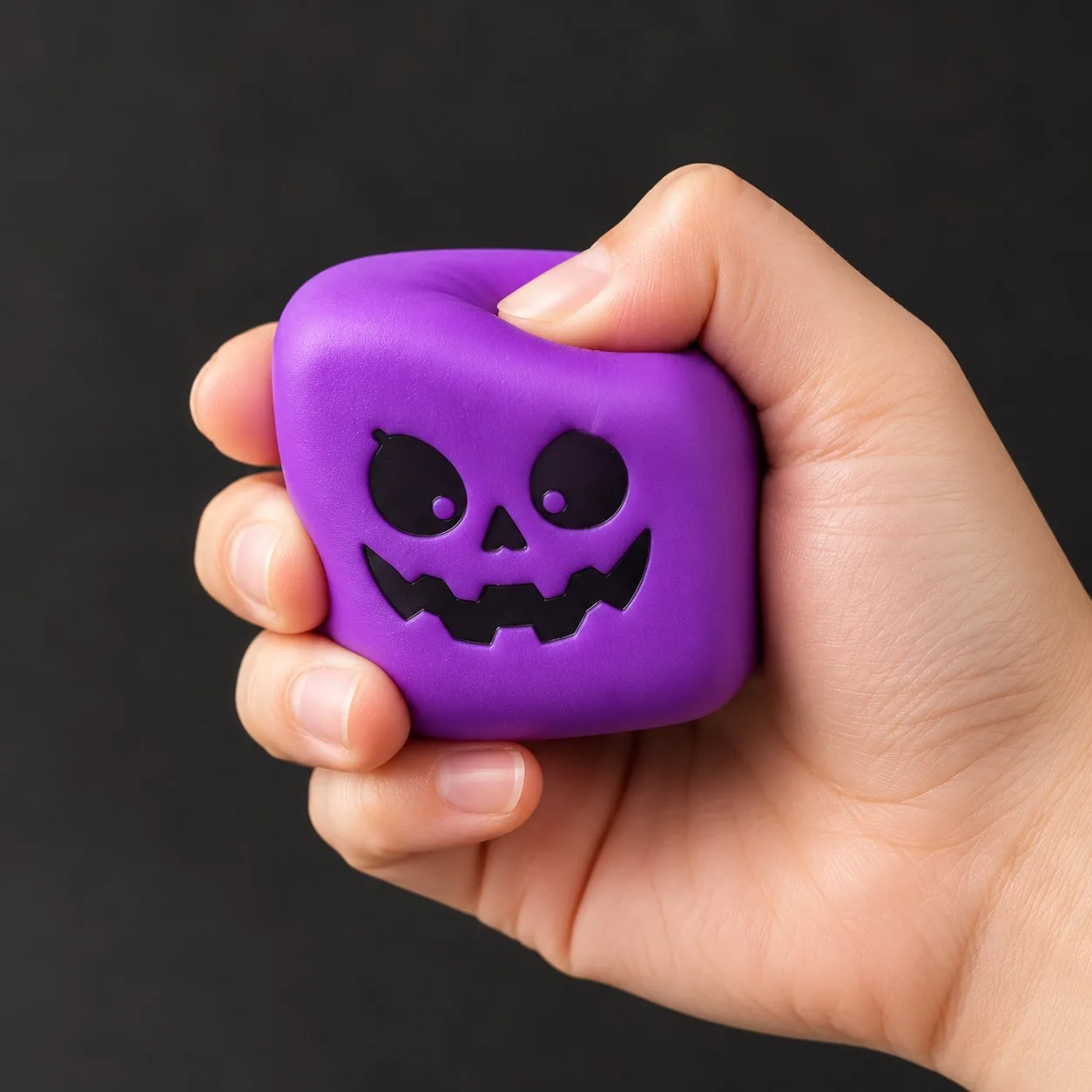
Why holiday squishy and fidget toys sell so well in wholesale
Seasonal themed toys benefit from four distinct demand drivers that everyday fidget stock simply does not have. Recognizing them helps you forecast far more accurately than a straight “past sales” projection.
- Gift-giving peaks. Holidays concentrate gifting into a few weeks. A squishy or fidget toy that retails for two to five dollars is an easy add-on gift, stocking stuffer, or white-elephant exchange item where price sensitivity is low.
- Party-favor and classroom demand. Halloween classroom parties, Easter egg hunts, and birthday-adjacent holiday gatherings all need bulk small toys. These orders are consistent, repeatable, and often come from schools, churches, and event planners who buy hundreds of units.
- Seasonal impulse purchases. Themed products create “I need it right now” moments — a pumpkin squishy at a checkout aisle in October needs no marketing push. Seasonal merchandising converts browsing into an immediate buy.
- Shelf spikes and display urgency. Because the theme disappears after the holiday, scarcity and “last chance” urgency measurably lift sell-through during the final two weeks of a season.
Which holidays drive which toy themes
Not every holiday deserves equally deep inventory. These five are the dependable volume drivers for the fidget and squishy wholesale category. Anchor your seasonal SKU planning on them.
| Holiday | Core window | Best-selling toy themes | Typical selling notes |
|---|---|---|---|
| Halloween | Late Aug – Oct 31 | Pumpkins, ghosts, skeletons, candy-shaped squishies | Biggest impulse driver; favor small, giftable sizes |
| Christmas | Nov 1 – Dec 25 | Christmas trees, snowmen, Santa, red/green gift shapes | Deeper order but longer tail; some stretch into January |
| Valentine’s Day | Late Jan – Feb 14 | Hearts, lips, love/friendship-themed pastel fidgets | Strong for valentine exchange and school packs |
| Easter | Late Feb – Apr | Eggs, bunnies, chicks, pastel colors | Egg-hunt filler demand; high unit volume per order |
| Thanksgiving | Oct – late Nov | Turkey, corn, warm autumn-tone shapes | Shorter window; pair with autumn décor displays |
- Halloween is the highest-margin seasonal line because impulse buy rates peak and inventory turns twice before year-end if managed well.
- Christmas gives the largest absolute order volume and the widest breadth of themes, so it rewards a bigger, more varied assortment.
- Valentine’s and Easter both lean into small-format, multi-pack buys from schools and organizations — price per unit matters most here.
- Thanksgiving is the shortest and easiest to overstock; treat it as a smaller companion order to your Halloween drop.
Seasonal buying timeline: when to place your wholesale order
Lead time is where most holiday inventory disasters start. A fidget/squishy order from a partner workshop in China typically needs 3–5 weeks of production plus 3–6 weeks of freight for ocean shipping (less for air freight), so you must order far earlier than the holiday feels “close.” Use this calendar as your working clock.
- 8–12 weeks out (order deadline): Place the order and confirm the production slot. For Halloween, that means mid-summer; for Christmas, early-to-mid autumn. Lock freight space in peak months — Q3–Q4 ocean rates and delays spike every year.
- 4–8 weeks out (in transit): Track the shipment, prepare your display plan, and reserve shelf or endcap space. Order display-ready packaging now so product can go straight to the floor.
- 1–3 weeks before the holiday (arrive & launch): Receive, stock, and merchandise at full price at least a week ahead of the buying peak. You want the widest selection on shelf during the two-week sweet spot, not during the last three days.
- At the holiday / just after: Plan your markdown and clearance from day one. Anything unsold by the event should be moved within 7–14 days.
For a precise month-by-month breakdown of every buying and shipping deadline across the year, save our seasonal toy buying calendar — it is built exactly for the wholesale ordering clock above.
Seasonal vs. everyday fidget wholesale pricing and sell-through
The economics of a holiday line look materially different from your steady restock SKUs, and understanding the gap changes how you set margin and how deep you buy.
| Factor | Everyday fidget line | Seasonal holiday line |
|---|---|---|
| Typical wholesale margin | 40–60% markup | Can reach 60–80% at full price |
| Sales velocity | Steady, predictable | Front-loaded, very fast in a 2–3-week window |
| Price sensitivity | Higher | Lower — shoppers buy on theme, not price |
| Inventory risk | Low (rolls to next month) | High — value collapses the day after the holiday |
| Clearance loss | Minimal | 15–40% off to clear, or carryover risk |
- Price higher, buy tighter. Because seasonal demand is theme-driven, you command a bigger margin per unit — but you must compress your assortment. Aim for seasonal SKUs at 15–30% lower total unit count than your comparable everyday buy, so velocity can clear them while the premium margin holds.
- Protect the “evergreen” layer. Some themed shapes double as year-round sellers — pastel hearts, food-shaped squishies, and general animal figures move outside their holiday. Keep a flexible core you can carry past the event without a total write-down.
- Negotiate clearance terms up front. Ask your supplier for pre-agreed markdown or return/mix allowances before the season ends, so you are not stuck holding 30% of a Christmas drop into February.
Inventory and clearance: avoiding the over-season overstock trap
The single biggest risk in holiday wholesale is carryover — product that misses its sales window and sits at full cost until it is basically unsellable. A few disciplines keep that risk manageable.
- Don’t chase the peak with your last order. A reorder that lands in the final seven days before a holiday almost always overstays it. Stop reordering seasonal SKUs about three weeks before the event; run lean and mark down rather than restock.
- Set a date-based markdown ladder. Plan, in advance, e.g. 15% off one week before, 30% at the holiday, 50% seven days after. A pre-decided ladder prevents emotional decisions and moves volume fast.
- Bundle leftovers. Combine slow-moving holiday squishies into themed grab-bags or party-favor packs at a blended lower price — this clears units without trashing the per-piece price point perception.
- Choose shapes that survive. Favor holiday themes that read as “seasonal but still toy-like” — pumpkins and snowmen can carry a general autumn/winter display, whereas an obvious date-stamped Santa or a heart embossed “Be Mine” has a sharp expiration.
Where holiday fidget and squishy toys sell: channel fit
Different retail channels buy seasonal toys on different rhythms and at different depths. Matching your assortment and order size to the channel is what turns a themed load into a clean sell-through.
| Channel | Buying behavior | What wins in this channel |
|---|---|---|
| Holiday & gift shops | Small, frequent, theme-first | Premium-looking single squishies, gift-size novelty |
| Party supply stores | Big unit orders, price-driven | Multi-pack squishies and fidgets for favors |
| Grocery & big-box holiday sections | Massive volume, display-ready | Assorted floor displays, peg-ready packaging |
| Dollar stores | Very tight price points | Small, colorful, single-price seasonal toys |
If you are assembling a gift or party-focused assortment, the food-shapes range is a strong cross-season anchor — shapes like donuts, burger, and ice-cream squishies sell across Halloween, Valentine’s, and everyday candy-themed displays, which is why we keep a permanent food shapes product category open all year regardless of the holiday wave.
Building your holiday wholesale mix
Assemble the seasonal load as a layered plan rather than a flat list, and you protect margin while limiting the risky tail.
- Layer 1 — Volume drivers (60%). The two or three proven themes for the specific holiday (pumpkins + ghosts for Halloween, trees + snowmen for Christmas). Buy these deepest because your sell-through history supports them.
- Layer 2 — Novelty and impulse (25%). New or quirky shapes that earn extra margin and shelf interest but at tighter quantities — the ones shoppers grab on impulse.
- Layer 3 — Flexible carryover (15%). Shapes that can survive the calendar into the next display season, protecting you if the holiday underperforms.
Keep the total seasonal SKU count deliberately smaller than your everyday lineup, rotate a share of the novelty layer each year, and always gate your final reorder by the “three weeks out” stop line. That is the difference between a holiday season that clears at full margin and one that lingers into a January warehouse discount..
One carton rule applies to all three layers. Each carton ships as a single style, and MOQ is one carton per style. Cartons hold 48 pieces on the Jumbo lines and 144–360 on most of the range, so a multi-SKU holiday order is simply a stack of single-style cartons rather than a mixed box — which also keeps your clearance maths clean, because every SKU has a known floor. Browse the seasonal category to see what is currently loaded for the holidays, or open the full catalogue to plan the carryover layer against your everyday line.
Seasonal holiday toy wholesale FAQ
How far in advance should I order holiday squishy and fidget toys?
Order 8–12 weeks before the holiday to cover 3–5 weeks of workshop production plus 3–6 weeks of freight. For Halloween that means ordering in mid-summer, and for Christmas by early-to-mid autumn — and always lock your freight slot early in Q3–Q4 when rates and port delays spike.
What is the best-selling holiday theme for fidget and squishy toys?
Halloween generally produces the highest margin and fastest impulse sell-through, led by pumpkin and ghost shapes. Christmas yields the largest absolute order volume with the widest theme breadth, while Valentine’s hearts and Easter eggs dominate small-format, multi-pack school and party buys.
Should holiday toys be priced differently from my everyday fidget line?
Yes. Seasonal themed products are bought on theme rather than price, so they support a higher wholesale margin (often 60–80% at full price). Because value collapses after the event, buy the assortment 15–30% tighter than your everyday order so faster velocity clears it while the premium price holds.
How do I avoid overstocking holiday toys and clearing them cheaply?
Stop reordering seasonal SKUs about three weeks before the event, run a pre-planned markdown ladder (e.g. 15% a week out, 30% at the holiday, 50% just after), bundle leftovers into themed grab-bags or party-favor packs, and choose shapes that can carry into the next display season to avoid a total write-down.
Which wholesale channels sell the most seasonal fidget and squishy toys?
Holiday and gift shops want small, premium, theme-first singles; party supply stores and schools buy large multi-pack orders for favors; grocery and big-box holiday sections need display-ready volume assortments; and dollar stores demand tight single-price colorful toys. Each buys on a different rhythm and depth, so match your assortment to the channel.
Related Guides
 Rubber vs Gel vs Foam Fidget Toys: A Material Buyer Map
 Glow-in-the-Dark Stress Balls: Phosphors & Sourcing Guide
 Color-Changing Squishy & Fidget Toys: Trends & Sourcing
Shop Seasonal Wholesale
Add these best-sellers to your next order.